
Why Gut Health Matters More in Winter
Winter changes everything: shorter days, colder weather, heavier foods, more stress, and plenty of indulgence. While these shifts are part of the season, they also place extra strain on digestion and immunity. Since nearly 70% of your immune system is rooted in the gut, supporting your microbiome during this time of year is essential.
When your gut is in balance, it helps regulate inflammation, absorb nutrients, and strengthen your body’s immune defenses. When it’s not, you may notice fatigue, bloating, cravings, brain fog, or a tendency to catch every cold that goes around.
Seasonal Foods to Support Your Microbiome
Eating with the season is one of the simplest ways to nurture gut health. Winter-friendly foods that support both digestion and immunity include:
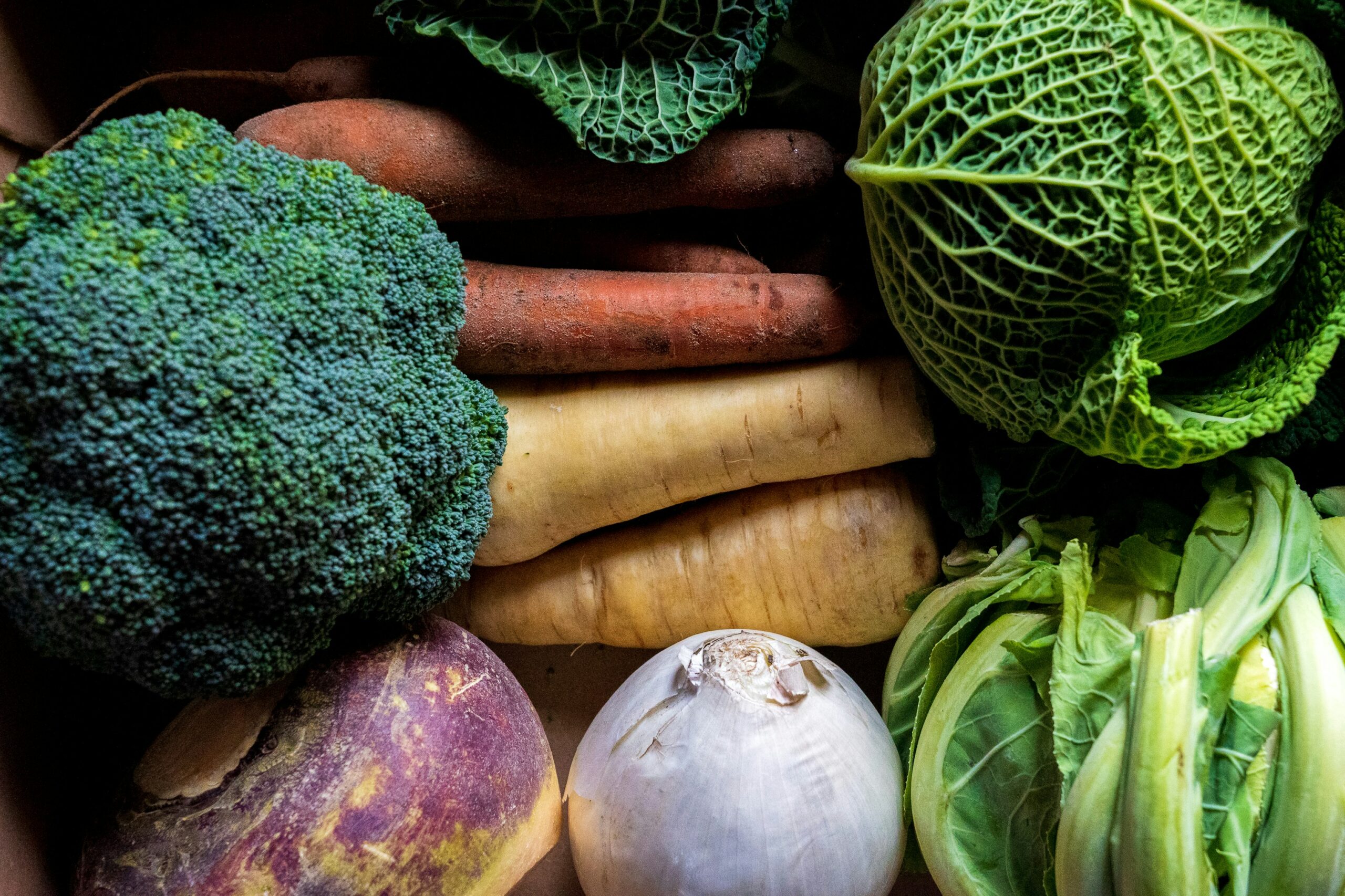
- Root vegetables like carrots, sweet potatoes, and beets for fiber and prebiotics.
- Fermented foods such as sauerkraut, kimchi, and miso to add beneficial bacteria.
- Bone broth and soups that soothe the digestive tract and provide minerals.
- Leafy greens like kale and collards for antioxidants.
- Citrus fruits for vitamin C and gut-friendly polyphenols.
Balanced meals built around protein, fiber, and healthy fats help stabilize blood sugar and reduce cravings.
The Lifestyle Habits That Matter Most
Gut health isn’t just about food. Daily rhythms impact the microbiome just as much.
- Sleep: 7–9 hours helps repair the gut lining and strengthen immune defenses.
- Stress management: Breathwork, meditation, or even a 10-minute winter walk lowers cortisol’s impact on digestion.
- Movement: Gentle exercise, like strength training or yoga, supports microbial diversity.
- Vitamin D: Shorter days can lead to deficiencies, and supplementation may be needed after testing.
When to Consider Gut Testing or Supplements
Sometimes symptoms point to deeper imbalances that food alone won’t fix. It may be time for testing if you experience:
- Ongoing bloating, constipation, or diarrhea
- Unexplained fatigue or brain fog
- Low immunity or frequent illness
- Skin issues like acne, rosacea, or eczema
- Persistent food sensitivities
- Difficulty managing weight despite effort
Our comprehensive gut microbiome assessments go beyond the surface level. We evaluate:
- Microbiome diversity
- Overgrowths or pathogens (yeast, parasites, bacteria)
- Digestive enzyme function and nutrient absorption
- Inflammatory markers and leaky gut indicators
- Immune reactivity inside the gut
From there, we create a personalized plan that may include nutrition shifts, lifestyle support, and targeted supplementation, such as specific probiotic strains, digestive enzymes, vitamin D, zinc, or botanicals to address overgrowths.
Personalization Matters
Generic “gut health protocols” often fall short because every microbiome is unique. What helps one person can make another worse. That’s why our approach focuses on testing first, then tailoring a step-by-step plan with ongoing support.
Build Your Resilience
Your gut is the foundation of winter resilience. By supporting it with seasonal foods, mindful strategies, restorative habits, and professional guidance when needed, you can feel more energized, clear-headed, and balanced all season long.
Here’s to living well, Nicole
February 4, 2026
SHARE THIS POst
INSTAGRAM
A Board-Certified Nurse Practitioner, Menopause Society Certified Practitioner, Yoga Teacher, & Reiki Practitioner on a mission to help you heal, thrive and live well through her private integrative and lifestyle medicine practice in Boston, MA.
Meet Nicole, FNP, MSCP

Learn more

