
Where many people will be promoting and diving into cleanses and shorter resets starting tomorrow, I encourage you to incorporate new health habits into your routine that are there to stay.
The following (listed in no particular order of importance) are health habits that can change your life.
- A daily gratitude practice. Studies show a regular gratitude practice leads to improved mood, reduced stress/anxiety, stronger relationships, improved sleep, improved heart health, and stronger resilience.
- Waking up with intention. Planning ahead for how your day starts. Most people wake up and immediately check the news, emails, and/or social media. This, for many, drives straight into the sympathetic nervous system – think fight, flight or freeze states – and starts the day off with anxiety and stress already at a high. Instead, choose an intentional activity for your first 30-60 minutes of the morning and watch how your entire days can shift for the better. Some like to journal, some exercise, some go for a walk outside (that’s me!), some meditate, some read, some sit quietly with their tea or other morning ritual. Take time intentionally to quietly wake up to set your tone for the day, and see what happens after a couple weeks of practice.
- Getting outside for sunlight as early as possible. This helps set your circadian rhythm and starts the process for your bedtime routine many hours later. Getting early sunlight (without sunglasses, either outside or through an open window) stops melatonin production, boosts cortisol (yes! We want cortisol levels to be high in the early morning!), boosts serotonin and dopamine, helping immune function and mental health.
- Walk daily. Aiming for 7,000-10,000 steps per day significantly improves health. The benefits of regular walking span from improving heart health, improving insulin sensitivity and reducing type 2 diabetes, reducing dementia risk, strengthens bones and muscles, improving balance, improving energy, improving mood, sleep, and cognitive function, and ultimately, longevity. Adding a walk after your largest meal – even as little as 10-15 minutes – dramatically improves insulin sensitivity and reduces type 2 diabetes risk.
- Strength training/weight lifting 2-3 times weekly. I know you’ve heard it from everyone, and for good reason. Weight lifting and strength training are critical for maintaining bone and muscle health, protecting joints and preventing injury, improving heart health and blood sugar control, and boosting metabolism, aiding in weight loss and maintenance.
- Eat a whole food diet. A diet rich in fruits, vegetables, whole grains, legumes, nuts, and lean protein, minimizing processed foods, significantly improves health by reducing chronic diseases and risks of chronic diseases, reducing inflammation, improving digestion and gut health, stabilizing energy and improving immune function.
- Avoiding alcohol. Within days to weeks of eliminating alcohol improves your sleep quality, mood, and energy. Avoiding it long-term significantly reduces risks of chronic diseases and multiple cancers, improving heart health, brain health, immune function, weight management and metabolism, and mental health and energy.
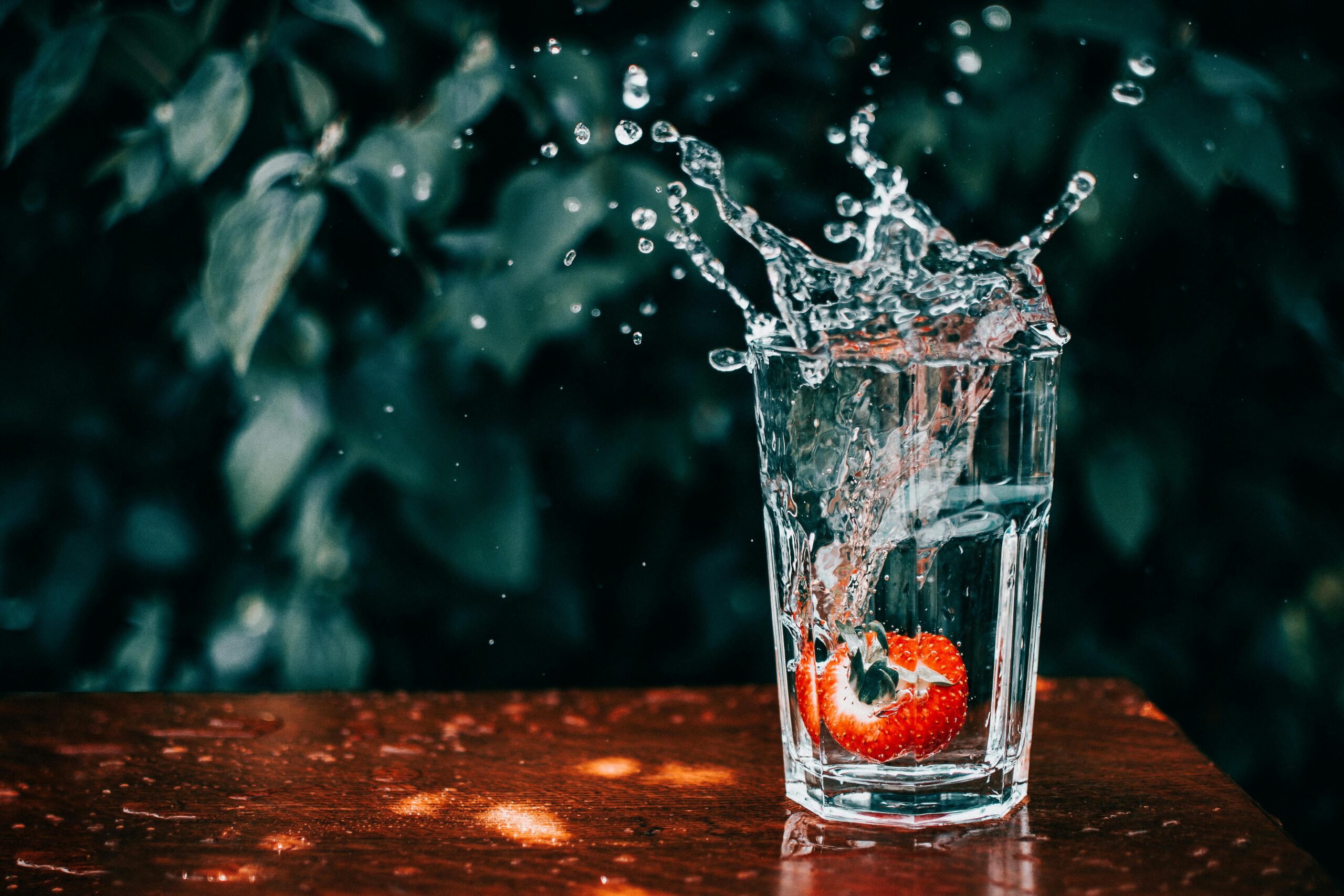
- Hydrate. Proper hydration, generally defined as half your weight in ounces, has profound impact on health. It helps to remove wastes and toxins, supports digestive, heart, and kidney health, increases energy levels and brain function, and boosts physical performance. For those who are more active or suffer from hypotension (low blood pressure), you may benefit from adding trace minerals or electrolytes*.
- Schedule rest and recovery. Building in and scheduling rest and recovery days isn’t just for athletes. Yes, it enhances performance and endurance, it assists in muscle repair and injury prevention. But it also helps to regulate hormones, maintain mental health and energy, reduces stress and anxiety, and improves focus and creativity. Most of us are living on the go-go-go, and it’s important to remember to rest.
- Setting an alarm to go to bed. I saved the best for last. This has long been my top recommendation to help improve health, for years. Sleep is not a luxury. It is critical. A large proportion of chronic concerns I see every day in my patients are directly correlated to inadequate sleep. You don’t have to have a dramatic sleep deficit (I think of the years spent in a newborn fog where I maybe got 4-5 hours of broken sleep per night). Just a couple nights of poor sleep can wreak havoc on your health. Benefits of sleep hygiene and sleep quality are numerous: a stronger immune system, improved mood and mental health, improved heart health, stable energy, weight loss and maintenance, improved focus and cognition, hormone regulation, quicker physical recovery from illness and exercise. I think of it like a street sweeper, cleaning out all the debris and waste products from the barrage of physical and environmental stressors that hit us every day, Adequate sleep quality optimizes your brain’s performance and your body’s ability to repair for peak next-day function.
Now for real talk. Do I do all of these? Yes. Do I do them daily? Absolutely not! I’m human, just like you are! However, I do my best to be as consistent as possible, while also giving myself a big dollop of grace when life happens and I’m not able to hit all of these.
What I will suggest is to keep this list on hand for 2026. Try out 2, maybe 3 of these at a time, a couple times a week. You will feel a shift and notice a change in your health for the better.
“It’s the daily practice of making small choices that add up in the end. It’s about doing what you said you’d do, even though nobody but you will notice, and about knowing i your gut why it matters.” – Bernadette Jiwa.
I would LOVE to hear what resonates for you, what you’re already doing and what you are going to add in 2026. Send me a message or DM me on Instagram!
Here’s to living well, Nicole
*Not medical advice. This is for informational and educational purposes only.
December 31, 2025
SHARE THIS POst
INSTAGRAM
A Board-Certified Nurse Practitioner, Menopause Society Certified Practitioner, Yoga Teacher, & Reiki Practitioner on a mission to help you heal, thrive and live well through her private integrative and lifestyle medicine practice in Boston, MA.
Meet Nicole, FNP, MSCP

Learn more

